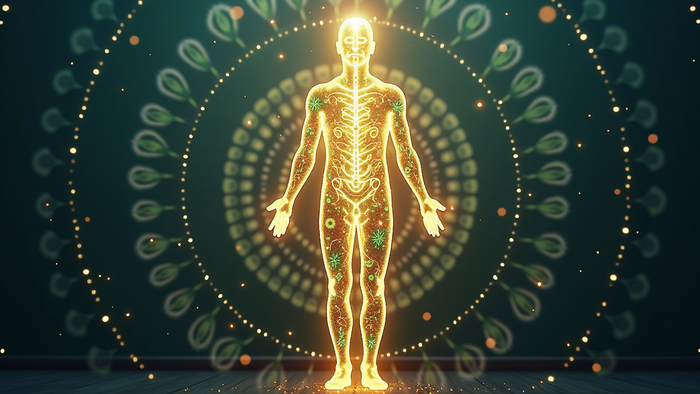
Let’s Get Fit Series – Part 2 – The science of gratitude reveals how appreciation affects your brain, body, and emotional health. Understanding the psychology of gratitude can transform your physical wellness and mental clarity.
🌱 Introduction: The Healing Power of a Thankful Heart
Science is catching up with what ancient wisdom has known for centuries — gratitude heals. From improving mental well-being to strengthening the immune system, studies now confirm that gratitude isn’t just an emotion — it’s a biological force that transforms how we think, feel, and live. Truly, science explains the broader effects of gratitude.
When we focus on what we have instead of what we lack, our body releases positive hormones like dopamine and serotonin, the same chemicals that lift our mood and calm anxiety. This shift rewires the brain’s neural pathways, training it to focus on abundance rather than scarcity. Gratitude changes the brain.
In a world full of comparison, gratitude helps us reclaim peace. 🌸
💡 What Science Says About Gratitude
- Harvard Health (2019): Regular gratitude journaling improves long-term happiness and reduces stress.
- University of California, Davis: People who write down what they’re thankful for sleep better, exercise more, and visit doctors less often.
- Neuroscience Research (Frontiers in Psychology, 2018): Gratitude increases activity in the brain’s medial prefrontal cortex — a region linked to moral reasoning and empathy.
Gratitude literally changes the structure of the brain, making us more optimistic and resilient. Indeed, the correlation between gratitude and brain health is part of the science of gratitude.
🌞 Positive Effects of Gratitude on Health
- Boosts Immunity: Gratitude lowers cortisol and boosts immune function.
- Reduces Depression: Thankful individuals have fewer negative ruminations.
- Improves Sleep: Writing a gratitude list before bed relaxes the nervous system.
- Lowers Blood Pressure: Calm and contented states reduce cardiovascular stress.
- Strengthens Relationships: Saying “thank you” increases feelings of trust and belonging. These benefits are rooted in the science of gratitude.
🌧️ The Challenges of Scientific Gratitude
Not everyone finds gratitude easy. Trauma, loss, or burnout can make thankfulness feel forced. Research shows that gratitude must be authentic — false positivity can backfire. In this, the science of gratitude includes understanding emotional authenticity.
It’s okay to admit pain while still seeking gratitude. This emotional honesty creates balanced healing, not denial.
🧠 Story: The Veteran’s Healing
After serving in the military, John suffered from PTSD and insomnia. His therapist encouraged him to write one “gratitude sentence” per day. At first, he resisted. Weeks later, his entries evolved from “nothing” to “my dog waited for me” to “I slept two hours.”
After six months, John reported less anxiety, better sleep, and new purpose, demonstrating personal benefits from the science behind gratitude.
Lesson: Gratitude does not erase pain, but it gives pain meaning.
🌺 Reflection Questions
- What recent challenge has secretly taught me something valuable?
- How does my body feel when I express genuine gratitude? This understanding is a core aspect of the science of gratitude.
- Can gratitude and sadness coexist?
- What small moment today brought me peace or joy?
💬 Quotes
“Gratitude turns ordinary days into thanksgiving, routine jobs into joy.” — William Arthur Ward
“It is not happiness that makes us grateful, but gratitude that makes us happy.” — David Steindl-Rast
🌿 Advice
In your fitness or wellness journey, use gratitude to celebrate progress, not perfection. Each stretch, lift, or meal is a thank-you note to your health. When you’re tired, whisper: “I’m grateful my body is strong enough to feel fatigue.” This approach aligns with the fundamental concepts of the science of gratitude.
📚 Sources
Harvard Health Publishing (2019). The Science of Gratitude.
Emmons, R. & McCullough, M. (2003). Counting Blessings.
Frontiers in Psychology (2018). Neural Correlates of Gratitude.
Leave a Reply