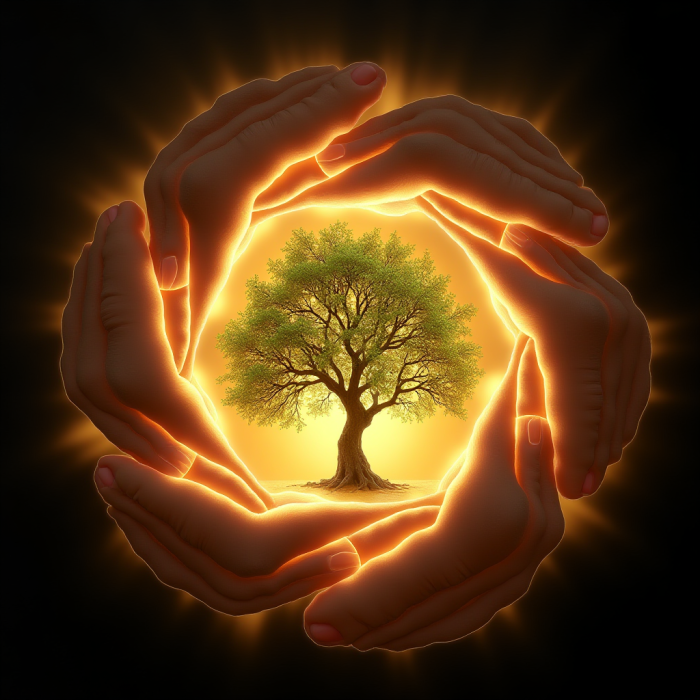
Community gratitude reminds us that appreciation is contagious. When gratitude becomes culture, communities grow stronger, kinder, and more united.
🌿 Introduction: The Ripple of a Thank You
Gratitude is more than a private feeling — it is a public force. When one person expresses appreciation, it doesn’t end there; it ripples outward, inspiring kindness, generosity, and cooperation.
In a community, gratitude functions like gravity — invisible, yet holding people together. It builds bridges between strangers, softens divisions, and turns ordinary interactions into acts of shared humanity.
Whether expressed through volunteering, civic recognition, or everyday kindness, community gratitude transforms a group of individuals into a network of care. It reminds us that we rise by lifting each other. 🌻
🌸 The Meaning of Community Gratitude
Community gratitude is the collective acknowledgment of interdependence — the understanding that we all rely on one another.
It is expressed in many ways: a teacher thanking students for their energy, neighbors helping each other after a storm, a city honoring its essential workers, or a community garden where volunteers share food and joy.
This form of gratitude turns empathy into action. It’s not only about saying “thank you” — it’s about creating systems of appreciation that sustain well-being for everyone.
🌿 Cultural and Historical Expressions of Collective Gratitude
Across the globe, gratitude has long been at the heart of community life:
- Native American tribes hold ceremonies like the Haudenosaunee Thanksgiving Address, which expresses daily gratitude to the natural world and all living beings.
- In Ghanaian culture, communal gratitude is practiced through shared feasts and storytelling — honoring ancestors and reinforcing unity.
- Japan’s annual Labor Thanksgiving Day (Kinrō Kansha no Hi) celebrates the contributions of workers and promotes social harmony.
- In the United States, Thanksgiving originated as a collective harvest celebration — gratitude not only to nature but to community cooperation.
Throughout history, gratitude has been the thread connecting families, generations, and nations.
💫 The Social Power of Gratitude
Gratitude, when shared, produces measurable effects on social health:
- Reduces social isolation: Grateful people tend to be more empathetic and connected.
- Increases volunteering and civic engagement: Communities with gratitude-focused programs show higher levels of participation.
- Builds trust: Gratitude strengthens social bonds and reduces conflict.
- Promotes equality: When leaders express gratitude toward citizens, it fosters inclusion and belonging.
According to studies by the Greater Good Science Center (UC Berkeley), gratitude in communities leads to higher cooperation, better morale, and greater collective resilience during crises.
🌺 Story 1: The Town That Said Thank You
After a hurricane struck a small coastal town, volunteers from across the country came to help rebuild. When the storm passed, the townspeople organized a “Day of Thanks.” Instead of focusing on loss, they celebrated resilience — thanking firefighters, doctors, students, and strangers.
That day became an annual tradition. The event now funds scholarships and community gardens.
Lesson: Gratitude can rebuild not just homes, but hope.
🌿 Story 2: The Classroom of Kindness
A teacher introduced a “Gratitude Wall” where students could post notes of thanks. Soon, children began thanking the janitor, the lunch staff, and even each other.
Discipline problems decreased, teamwork improved, and grades rose.
Lesson: Gratitude creates environments where respect replaces rivalry.
🌾 Story 3: The Neighborhood Garden
A group of city residents transformed an abandoned lot into a community garden. Every season, they gather to share produce and gratitude. The garden isn’t just about vegetables — it’s about connection.
One volunteer said, “We don’t just grow food. We grow friendship.”
Lesson: Gratitude thrives where people come together to nurture life.
🌸 The Positive Side of Community Gratitude
- Creates Unity: Shared appreciation brings people together beyond social, economic, or cultural divides.
- Encourages Generosity: Grateful communities give back — through charity, volunteerism, and mutual aid.
- Improves Mental Health: Public gratitude reduces loneliness and depression.
- Builds Empathy: Recognizing others’ efforts makes us more compassionate.
- Strengthens Democracy: Gratitude for civic service encourages participation and accountability.
“No one who achieves success does so without acknowledging the help of others.” — Alfred North Whitehead
🌧️ The Negative or Misused Side
Even something as positive as gratitude can be distorted when used without sincerity or fairness.
⚠️ 1. Superficial Gratitude
Public “thank you” gestures without real change can feel hollow — for example, praising healthcare workers but underpaying them.
⚠️ 2. Gratitude as Control
In political contexts, citizens may be told to “be grateful” while facing inequality. Real gratitude must include justice.
⚠️ 3. Social Pressure
In group settings, people may feel forced to express gratitude to fit in, even when they feel hurt or excluded.
⚠️ 4. Ignoring Burnout
Communities sometimes rely too heavily on a few “helpers.” True gratitude must be reciprocal — not one-sided.
Gratitude should never replace fairness; it should enhance humanity.
🌱 The Psychology of Collective Gratitude
According to Dr. Robert Emmons and Dr. Michael McCullough, gratitude is not just an emotion — it’s a social glue. When shared, it activates the brain’s oxytocin pathways, promoting trust and belonging.
Communities that emphasize appreciation experience less violence, stronger teamwork, and greater happiness. Gratitude isn’t just good manners — it’s good science.
🌻 Reflection Questions
- How does my community express gratitude publicly or privately?
- Who in my neighborhood, school, or workplace deserves more appreciation?
- What’s one small act of gratitude I can do for my community this week?
- How can gratitude make my local environment — physical or emotional — healthier?
- How do I respond when someone thanks me for something small?
🌺 Quotes to Reflect On
“Gratitude is the fairest blossom which springs from the soul.” — Henry Ward Beecher
“When we are grateful, we affirm that we are part of something larger than ourselves.” — David Steindl-Rast
“The smallest act of kindness is worth more than the grandest intention.” — Oscar Wilde
“A single act of gratitude toward one person can echo through a whole community.” — Let’s Get Fit
🌿 Fitness & Wellness Connection: Gratitude in Teams and Communities
Your Let’s Get Fit journey doesn’t happen in isolation — it’s fueled by community. Workout partners, instructors, online fitness groups, or even family members cheering you on all create the energy of belonging.
Gratitude can strengthen this collective motivation:
- Thank your workout buddy for showing up, even when tired.
- Appreciate your trainer for their patience and knowledge.
- Thank your fitness group for sharing encouragement.
- Celebrate group milestones together.
When gratitude is shared in a fitness setting, competition turns into collaboration — transforming individual effort into communal inspiration.
“Together we are stronger. Gratitude is the heartbeat of every team.” — Let’s Get Fit
🌸 Story: The Group That Grew Together
A local walking club began as five people hoping to get healthier. Over time, they started sharing personal stories, goals, and affirmations. One day, they decided to write gratitude cards for each other after every month’s challenge.
By the end of the year, the group had doubled in size. Members said the gratitude ritual kept them motivated through bad weather and busy schedules.
Lesson: When people feel appreciated, they stay committed — to health, to community, and to each other.
🌾 The Broader Impact: Gratitude and Social Health
Grateful communities:
- Experience lower stress and higher resilience during a crisis.
- Engage more in volunteer and civic activities.
- Demonstrate greater social trust and cooperation.
- Support local well-being — physically, mentally, and environmentally.
In essence, gratitude strengthens social immunity — the invisible force that keeps societies compassionate.
🌧️ The Absence of Gratitude in Communities
When gratitude is missing, division grows.
People focus on entitlement rather than empathy, blame replaces acknowledgment, and connection weakens.
Communities without gratitude often experience:
- Decreased civic participation.
- Polarization and mistrust.
- Loss of empathy.
- Social fatigue or apathy.
The cure isn’t perfection — it’s small, consistent appreciation. A smile to a stranger, a thank-you to a teacher, or public recognition of service can shift energy dramatically.
🌿 Advice: How to Cultivate Community Gratitude
- Start Local: Thank those who make daily life smoother — mail carriers, cashiers, nurses, bus drivers, janitors, teachers.
- Organize Gratitude Events: Host a “Thank You Day” at your school, workplace, or neighborhood.
- Practice Public Acknowledgment: Recognize people’s efforts in meetings or social media posts.
- Volunteer Together: Gratitude grows stronger when shared through service.
- Teach It to Children: Encourage kids to express appreciation through art, letters, or projects.
Small gestures, when multiplied by many, can transform entire communities. 🌈
🌸 Reflection Exercise: The Gratitude Circle
Gather friends, coworkers, or family members. Each person shares one thing they’re thankful for about another person in the group. Rotate until everyone has received appreciation.
This exercise strengthens trust, empathy, and belonging. It’s a beautiful way to close a meeting, class, or workout session.
🌻 Positive Outcomes
- Stronger social connections and civic trust.
- Healthier mental and emotional climates.
- Increased cooperation and peace.
- Higher morale and mutual respect.
🌧️ Potential Challenges
- Risk of performative gratitude (for appearances).
- Difficulty maintaining consistent appreciation.
- Risk of ignoring systemic issues under the veil of “positive thinking.”
Balance authenticity with awareness. True gratitude doesn’t ignore problems — it motivates solutions.
🌿 Final Reflection: Gratitude as the Soul of Society
A grateful community is a living symphony — every act of kindness a note, every thank-you a melody. Together, they create harmony.
Gratitude doesn’t need wealth or perfection; it needs awareness — the courage to see the good even in imperfection.
If every neighborhood, workplace, or school practiced gratitude as often as criticism, the world would heal faster.
Gratitude is not only a feeling — it’s a social responsibility.
“When gratitude becomes culture, peace becomes possible.” — Let’s Get Fit
📚 Sources
- Emmons, R. A. (2016). Gratitude Works!
- Greater Good Science Center (UC Berkeley). The Role of Gratitude in Civic and Social Well-being.
- Harvard Health Publishing. The Power of Thanks in Communities.
- Chief Seattle. Speech to Governor Stevens (1854).
- Steindl-Rast, D. (2016). Gratefulness, the Heart of Prayer.
Leave a Reply