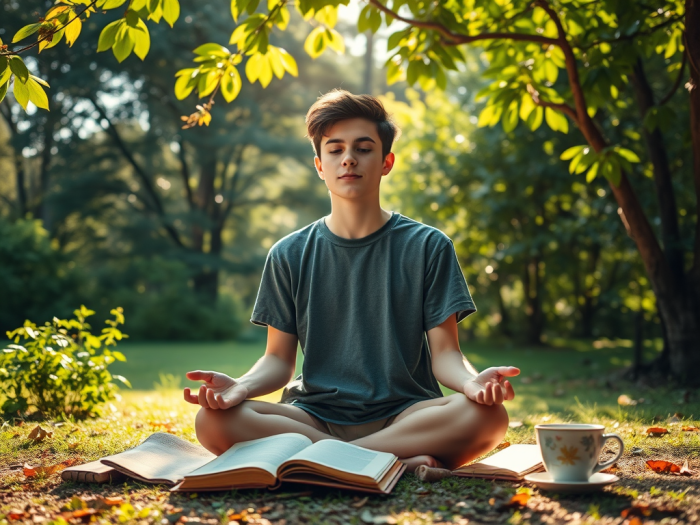
🌿 Introduction: What Does Balanced Mental Health Mean?
Balanced mental health is the ability to manage emotions, handle stress, build positive relationships, and maintain a sense of purpose and peace. It doesn’t mean never feeling sad, anxious, or overwhelmed—it means developing the resilience and awareness to recover and grow from life’s challenges.
A balanced mind allows you to:
- Experience emotions without being controlled by them.
- Think clearly, make thoughtful decisions, and maintain self-respect.
- Nurture positive relationships and set healthy boundaries.
- Balance work, rest, and play for emotional stability.
In short, mental balance is not about perfection—it’s about presence, peace, and progress.
As the World Health Organization defines it:
“Mental health is a state of well-being in which an individual realizes his or her own abilities, can cope with normal stresses of life, can work productively, and can contribute to the community.”
💬 Why Balance Is Vital for Mental Health
In our fast-paced world, it’s easy to lose mental balance—juggling work, social expectations, finances, and family. When we neglect rest, reflection, or self-care, stress builds up, leading to anxiety, irritability, or burnout.
A balanced mental health lifestyle helps to:
- Reduce stress and prevent burnout.
- Strengthen emotional resilience.
- Improve relationships and communication.
- Increase focus, creativity, and motivation.
- Promote overall happiness and peace of mind.
Balance doesn’t mean avoiding challenges—it means learning to meet them with stability and self-compassion.
👩🎓 Story 1: Young Generation — “Liam Learns to Slow Down”
Liam, a 16-year-old student, was active in sports, academics, and social media. He felt constant pressure to perform and compare himself to others. Over time, he became anxious and had trouble sleeping.
After talking to his school counselor, Liam began incorporating mental balance habits—limiting screen time, journaling before bed, and meditating for five minutes daily. He also learned to speak kindly to himself instead of chasing perfection.
Within weeks, Liam noticed he felt calmer, more focused, and happier. He realized that caring for his mind was just as important as studying or exercising.
Lesson:
Mental balance for young people means setting boundaries, practicing self-awareness, and embracing imperfection.
👩🦳 Story 2: Older Generation — “Maria’s Second Chapter”
Maria, 63, had always taken care of everyone else—her children, husband, and aging parents. When she retired, she felt lost and anxious, unsure of who she was without her caretaking roles.
A friend invited her to join a local community art class. Painting, laughter, and connection gave Maria new joy and purpose. She realized that maintaining mental balance meant nurturing her own spirit, not just others.
Now she practices mindfulness, volunteers weekly, and makes time to rest. She calls this her “second chapter” of life—one focused on self-growth and peace.
Lesson:
For older adults, balanced mental health comes from reconnecting with purpose, joy, and self-expression.
🌱 What Balanced Mental Health Looks Like
Balanced mental health involves the integration of mind, body, and spirit—where each supports the other.
1. Emotional Balance:
- Recognizing and accepting your feelings.
- Managing stress through healthy coping mechanisms.
2. Cognitive Balance:
- Thinking positively and rationally.
- Avoiding overthinking or self-criticism.
3. Social Balance:
- Maintaining healthy, supportive relationships.
- Setting and respecting personal boundaries.
4. Lifestyle Balance:
- Getting adequate rest, nutrition, and movement.
- Making time for relaxation, hobbies, and joy.
When these areas are aligned, mental health thrives.
🕊️ Habits That Support Balanced Mental Health
- Practice mindfulness: Stay present instead of replaying the past or worrying about the future.
- Exercise regularly: Physical activity releases endorphins that improve mood.
- Connect socially: Spend time with uplifting friends or family.
- Express emotions: Talk, write, or create instead of bottling feelings up.
- Rest and unplug: Give your mind time to reset through sleep and quiet moments.
- Seek help when needed: Talking to a counselor or therapist is a sign of strength, not weakness.
- Be kind to yourself: Treat yourself with the same compassion you offer others.
💭 Reflection Questions
For Young People
- What activities help you feel calm, happy, or recharged?
- How do you handle stress or negative emotions?
- What boundaries could you set to protect your mental balance?
For Adults and Older Generations
- How often do you take time to relax or reflect on your emotions?
- Are you giving your mind enough rest, joy, and purpose?
- How do you maintain connection and meaning in your daily life?
For Everyone
- What does balanced mental health mean to you personally?
- When was the last time you felt truly peaceful—and what helped you get there?
- What small daily habit could you start to support your mental well-being?
🌸 Inspiring Quotes
“You don’t have to control your thoughts; you just have to stop letting them control you.” — Dan Millman
“Mental health…is not a destination, but a process. It’s about how you drive, not where you’re going.” — Noam Shpancer
“You can’t pour from an empty cup. Take care of yourself first.” — Unknown
“Self-care is giving the world the best of you, not what’s left of you.” — Katie Reed
“Happiness is not something you postpone for the future; it is something you design for the present.” — Jim Rohn
🌻 Conclusion
Balanced mental health is the foundation of a fulfilling life. It’s the steady rhythm between action and rest, connection and solitude, giving and receiving.
For young people, it means learning emotional awareness and self-acceptance. For older adults, it means rediscovering joy, community, and purpose.
Mental balance doesn’t come from eliminating stress—it comes from developing the inner strength to handle it with grace. When we care for our minds as we do our bodies, we unlock the freedom to live with peace, clarity, and resilience.
📚 Sources
- World Health Organization. (2023). Mental Health: Strengthening Our Response.
- American Psychological Association. (2023). Maintaining Emotional Balance and Resilience.
- National Alliance on Mental Illness (NAMI). (2022). Mental Wellness and Recovery Report.
- Shpancer, N. (2010). The Good Psychologist. Henry Holt and Company.
- Rohn, J. (1993). The Power of Discipline.
- Reed, K. (2018). Self-Care Reflections.
- Harvard Health Publishing. (2022). Mindfulness and Mental Well-Being.
Leave a Reply