1. What is an Anti-Inflammatory Diet?
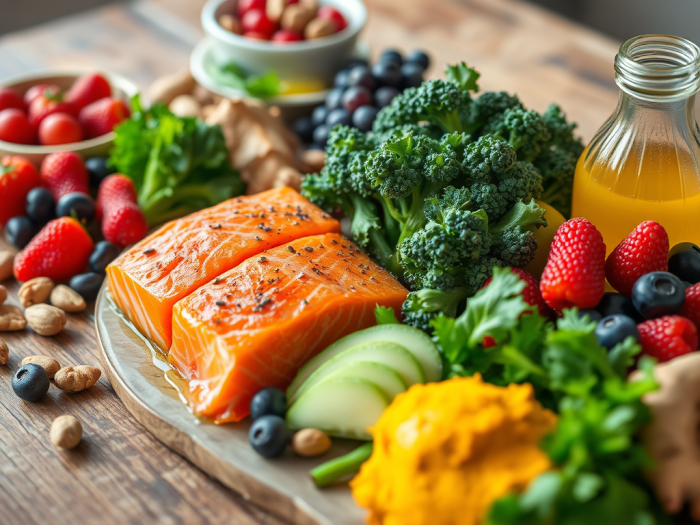
An anti-inflammatory diet is a nutritional approach that emphasizes foods known to reduce inflammation in the body. Chronic inflammation is a low-grade, persistent immune response that can contribute to conditions such as heart disease, diabetes, arthritis, and certain cancers. Unlike temporary inflammation that helps the body heal after injury or infection, chronic inflammation can damage healthy tissues. The diet primarily includes whole, nutrient-dense foods rich in antioxidants, healthy fats, and fiber while avoiding highly processed, sugary, and refined foods.
2. Why is it Beneficial?
The anti-inflammatory diet provides several health benefits:
- Reduces risk of chronic diseases: Helps lower the risk of cardiovascular disease, type 2 diabetes, and neurodegenerative conditions.
- Supports joint and bone health: Reduces inflammation in joints, improving mobility and comfort in conditions like arthritis.
- Boosts gut health: Encourages a healthier gut microbiome, which reduces systemic inflammation.
- Promotes weight management: Foods in the diet are generally lower in refined sugars and unhealthy fats, supporting a healthy body weight.
- Improves immune response: Nutrients like omega-3 fatty acids, vitamins, and polyphenols help regulate immune function.
3. Which Parts of the Body Does It Affect?
The anti-inflammatory diet impacts multiple systems and organs:
- Joints and bones: Eases stiffness, pain, and swelling associated with arthritis.
- Cardiovascular system: Lowers blood pressure, reduces cholesterol, and supports arterial health.
- Digestive system: Improves gut balance, reducing bloating, indigestion, and inflammatory bowel symptoms.
- Brain and nervous system: May reduce cognitive decline, brain fog, and risk of Alzheimer’s disease.
- Skin: Helps manage conditions like eczema, acne, and psoriasis.
- Endocrine system: Balances hormones by stabilizing blood sugar and reducing insulin resistance.
4. How Can We Implement the Diet?
- Focus on anti-inflammatory foods:
- Fatty fish (salmon, mackerel, sardines)
- Leafy greens (spinach, kale, arugula)
- Berries (blueberries, raspberries, strawberries)
- Olive oil and avocado oil
- Nuts and seeds (walnuts, almonds, chia, flax)
- Whole grains (quinoa, oats, brown rice)
- Herbs and spices (turmeric, ginger, garlic, cinnamon)
- Limit inflammatory foods (see below).
- Practice meal planning: Prepare balanced meals that include lean protein, fiber, and healthy fats.
- Hydration: Drink plenty of water and herbal teas.
- Consistency: Adopt the diet as a lifestyle rather than a short-term solution.
5. Inflammatory Food Combinations to Avoid
These combinations are known to worsen inflammation:
- Refined carbs + sugar: White bread with jam, pastries, or sugary breakfast cereals.
- Processed meat + refined grains: Hot dogs with white buns, bacon sandwiches, or pepperoni pizza.
- Fried foods + sugary drinks: French fries with soda, fried chicken with sweet tea.
- High-fat dairy + refined sugar: Ice cream, sweetened lattes with cream, or milkshakes.
- Red meat + alcohol: Steak with beer, burgers with cocktails.
- Trans fats + refined carbs: Margarine on white bread, donuts, packaged cookies.
6. How Long Should We Use the Diet and How Often?
- Duration: The anti-inflammatory diet is not meant to be a temporary fix; it is most effective when adopted as a long-term lifestyle.
- Frequency: Ideally, it should be followed daily, with consistent inclusion of anti-inflammatory foods in each meal.
- Results timeline:
- Short-term (2–4 weeks): Reduction in bloating, improved digestion, and increased energy.
- Medium-term (2–3 months): Noticeable decrease in joint pain, clearer skin, improved blood sugar balance.
- Long-term (6 months+): Reduced risk of chronic diseases, sustainable weight management, improved overall health.
Conclusion
The anti-inflammatory diet is a lifestyle approach that prioritizes whole, nutrient-rich foods to reduce inflammation and promote long-term health. By avoiding inflammatory food combinations and adopting this diet consistently, individuals can experience benefits across multiple body systems, including the heart, joints, brain, skin, and digestive tract.
Sources
- Calder, P. C., & Bosco, N. (2019). Anti-inflammatory nutrition: Mechanisms, benefits, and practical dietary recommendations. British Journal of Nutrition, 122(1), 1–15.
- Harvard Health Publishing. (2021). Foods that fight inflammation. Harvard Medical School.
- Willett, W. C., & Ludwig, D. S. (2020). Lifestyle measures and the prevention of chronic disease. JAMA, 324(20), 2067–2068.
- Schwingshackl, L., & Hoffmann, G. (2015). Mediterranean dietary pattern and chronic disease. Public Health Nutrition, 18(5), 813–833.
Leave a Reply