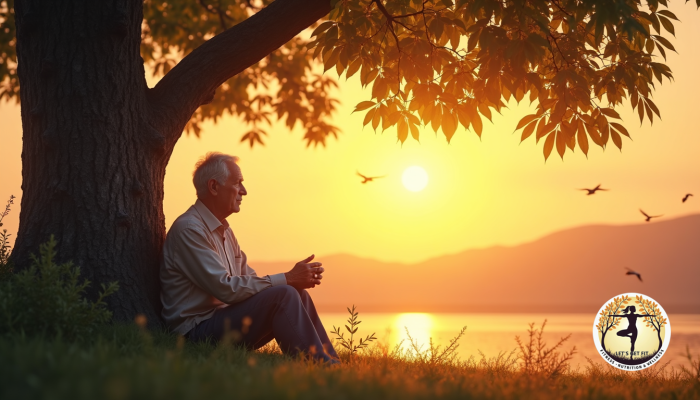
🌍 Introduction: A Stage Often Misunderstood
Later adulthood—typically beginning in the early sixties and continuing through the remainder of life—is often framed by society as a period of decline. Conversations focus on aging bodies, loss, and limitation. Yet this perspective misses a deeper truth.
Later adulthood is not simply about what changes—it is about what deepens.
This stage of life carries the rare gift of perspective. It is the season where lived experience becomes wisdom, where reflection replaces urgency, and where meaning takes precedence over productivity. When supported with dignity, connection, and purpose, later adulthood can be one of the most emotionally rich and fulfilling stages of life.
🧠 Psychological Perspective: Integrity vs. Despair
Psychologically, later adulthood centers on the challenge of integrity versus despair. This stage involves a life review—consciously or unconsciously—where individuals reflect on their experiences, choices, relationships, and contributions.
Key psychological questions include:
- Did my life matter?
- Did I live according to my values?
- What do I leave behind?
When individuals are able to look back with acceptance—acknowledging both successes and regrets—they experience integrity: a sense of peace and coherence. When reflection becomes dominated by regret or unresolved pain, despair may emerge.
This stage is not about judging the past, but about integrating it.
❤️ Emotional Perspective: Gratitude, Grief, and Peace
Emotionally, later adulthood holds a wide emotional range. Many people experience greater emotional regulation than in earlier stages, having learned which battles matter and which do not.
Common emotional experiences include:
- Gratitude for life lived
- Grief for loved ones lost
- Acceptance of imperfection
- Desire for peace and connection
- Reflection on meaning
Contrary to stereotypes, many older adults report increased emotional stability and contentment—especially when they feel valued, connected, and purposeful.
Emotional Lesson of Later Adulthood:
💛 Peace comes from acceptance, not perfection.
👥 Social Perspective: Connection, Community, and Intergenerational Bonds
Socially, later adulthood often brings changes in roles and relationships. Social circles may shrink due to retirement, relocation, or loss. At the same time, relationships often deepen, becoming more intentional and meaningful.
This stage highlights the importance of:
- Intergenerational connection
- Community involvement
- Social inclusion
- Feeling seen and valued
Older adults thrive when they are not treated as invisible or irrelevant, but as carriers of insight, memory, and wisdom.
Isolation—not age—is one of the greatest risks to wellbeing in later adulthood.
🌱 Developmental Perspective: Adaptation and Resilience
Developmentally, later adulthood involves physical and cognitive changes that vary widely from person to person. While some abilities may decline, others—such as wisdom, emotional insight, and perspective—often strengthen.
This stage emphasizes:
- Adaptation rather than resistance
- Self-care and health awareness
- Emotional resilience
- Purposeful engagement
Development continues throughout life. Growth does not stop—it simply changes form.
📖 Positive Narrative Story: The Power of Sharing Wisdom
An older woman began volunteering at a community center, helping younger generations navigate challenges she once faced. She shared stories—not as advice, but as lived experience.
One day, a young person told her, “Your story made me feel less alone.”
In that moment, she realized her life was still actively shaping the world—through wisdom, presence, and connection.
🌟 Positive Impact of a Supported Later Adulthood
When later adulthood is met with respect, connection, and purpose, it often leads to:
- Emotional peace
- Strong sense of identity
- Meaningful contribution
- Reduced loneliness
- Increased life satisfaction
This stage becomes a time of harvest—where experiences are shared, not forgotten.
⚠️ When Later Adulthood Is Marginalized
When older adults are dismissed, isolated, or undervalued, they may experience:
- Loneliness
- Depression
- Loss of purpose
- Decreased wellbeing
- Feelings of invisibility
These outcomes are not inevitable—they are social failures, not personal ones. Inclusion, dignity, and connection make a profound difference.
🤝 How Parents, Caregivers, Friends, and Partners Can Provide Positive Support
👨👩👧 Family Members & Adult Children
- Listen to stories without rushing
- Involve older adults in decision-making
- Respect independence and autonomy
- Express appreciation and gratitude
- Encourage social connection
👵 Caregivers
- Treat care as collaboration, not control
- Preserve dignity and choice
- Acknowledge emotional needs
- Encourage continued purpose and engagement
🤝 Friends & Community
- Maintain consistent connection
- Create inclusive social spaces
- Encourage contribution, not withdrawal
- Share activities that foster belonging
❤️ Partners
- Share memories and reflections
- Support each other emotionally and physically
- Embrace presence over productivity
- Celebrate shared life journeys
Support in later adulthood is about honoring the person, not managing the age.
🌱 Healing and Growth in Later Life
Later adulthood often provides space for healing unresolved emotions from earlier stages. Many people find peace by:
- Forgiving themselves
- Letting go of old expectations
- Reframing past experiences
- Finding meaning in adversity
Healing is not about changing the past—it is about changing how we carry it.
💡 Advice for Navigating Later Adulthood with Fulfillment
- Stay socially connected
- Share stories and wisdom
- Engage in purposeful activities
- Prioritize emotional and physical wellbeing
- Practice gratitude
- Allow yourself to rest without guilt
- Embrace legacy as lived impact, not perfection
Later adulthood is not about fading—it is about integrating a lifetime of becoming.
🌈 Moral Lesson of This Stage
🌄 A life well lived leaves wisdom behind, not regret.
Later adulthood teaches us that meaning is not measured by what we accumulate, but by what we share.
🪞 Reflection Questions
- What wisdom has your life given you?
- How do you define legacy beyond achievements?
- Where can you share your experiences meaningfully?
- What brings you peace in this season of life?
💬 Positive Reflections & Quotes
“Wisdom is earned through living.”
“Your story still matters.”
“Legacy lives in the lives we touch.”
🌱 Final Reflection: The Completion of a Meaningful Cycle
Later adulthood completes the circle of life—not with an ending, but with integration. It is the stage where lessons are gathered, meaning is distilled, and wisdom is offered forward.
This stage reminds us all—regardless of age—that fulfillment comes from presence, connection, and compassion.
✨ You are not defined by how fast you moved through life—but by how deeply you lived it.
📚 Sources
- Erik Erikson – Psychosocial Development
- Harvard Study of Adult Development
- American Psychological Association – Aging & Mental Health
- World Health Organization – Healthy Aging
- National Institute on Aging
💎 Wellness Inspiration
Looking for a meaningful reminder of today’s message? Explore jewelry and gifts inspired by self-love, gratitude, strength, and personal growth at Griseline.com.
Leave a Reply