🌟 Introduction
The phrase “Your mindset is your strongest muscle” reminds us that mental strength—just like physical strength—must be trained, challenged, and maintained. Whether you’re young and discovering who you are or older and adapting to life’s changes, your mindset shapes how you respond to challenges, how you grow, and how healthy and fulfilled your life becomes.
Your mindset influences every aspect of your health: your motivation, resilience, habits, and emotional stability. By strengthening this “mental muscle,” both young and older people can overcome obstacles, embrace growth, and achieve lasting well-being.
🧠 1. Understanding Mindset
A mindset is a set of beliefs and attitudes that shape how we interpret and respond to the world. Psychologist Carol Dweck (2006) introduced two major types of mindset:
- Fixed Mindset: The belief that abilities and intelligence are static and unchangeable.
- Growth Mindset: The belief that effort, learning, and perseverance lead to improvement and success.
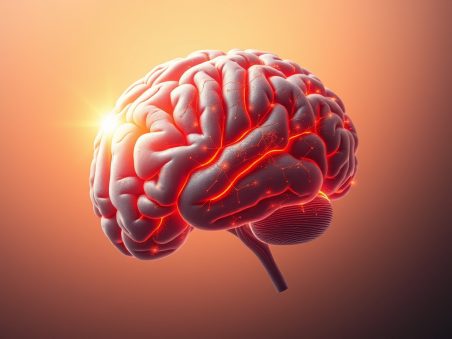
When you view challenges as opportunities to grow, your brain literally strengthens its neural pathways (Yeager & Dweck, 2012). In that sense, your mindset becomes your strongest muscle—a mental fitness that helps you lift the weight of life’s difficulties.
🌱 2. Mindset and Health
A positive and resilient mindset has been shown to:
- Reduce stress and boost immune function (Fredrickson, 2009).
- Increase motivation for healthy behaviors such as exercise and balanced eating.
- Improve emotional regulation and decrease anxiety and depression (Seligman, 2011).
Just as consistent exercise builds the body, consistent optimism, self-belief, and adaptability strengthen the mind.
👩🎓 3. Story: A Young Person’s Perspective – Maya’s Mindset Shift
Maya, a 17-year-old student, used to believe she was “bad at math.” Every low grade confirmed her fixed mindset: “I’ll never get it.” After attending a growth mindset workshop, she began to reframe her thoughts—seeing mistakes as learning opportunities instead of proof of failure.
Maya started practicing small affirmations like “I can improve with effort” and tracked her progress. Within months, her grades improved, but more importantly, she developed confidence in her ability to learn anything she set her mind to.
Lesson: Maya discovered that mental strength comes from persistence, not perfection. Her mindset became the muscle that powered her success.
👨🦳 4. Story: An Older Adult’s Journey – Mr. Lewis and the Power of Resilience
At 65, Mr. Lewis faced a major setback after a knee injury ended his running routine. He felt frustrated and began to see aging as a decline. A friend encouraged him to reframe his mindset—to see recovery as an opportunity for growth rather than limitation.
Mr. Lewis began physical therapy and started journaling gratitude for what his body could do. Over time, he not only recovered but discovered new activities—yoga, swimming, and strength training. He realized his mindset was the muscle that helped his body heal.
Lesson: With a strong mindset, even physical setbacks can lead to new paths of strength and purpose.
🧩 5. How to Strengthen Your Mindset Muscle
| Mindset Exercise | What It Builds | Example |
|---|---|---|
| Positive self-talk | Confidence and focus | Replace “I can’t” with “I’m learning how.” |
| Gratitude journaling | Emotional balance | Write 3 things you’re thankful for daily. |
| Visualization | Motivation and purpose | Picture yourself achieving a goal before starting. |
| Challenge acceptance | Resilience | Try something new each week that pushes your comfort zone. |
| Mindfulness practice | Stress control | Focus on breathing and staying present during tough moments. |
Training your mindset daily creates mental flexibility and emotional endurance.
💬 6. Mindset in Daily Life
For Young People:
- Academic Pressure: Replace “I failed this test” with “This test showed me what I need to practice more.”
- Social Media Comparison: Focus on your own growth instead of comparing yourself to others’ highlight reels.
- Sports and Competition: Embrace effort and teamwork over perfection.
For Older Adults:
- Aging Gracefully: Focus on what you can still learn, create, and experience rather than losses.
- Retirement Transition: View it as a chance to explore passions and mentorship opportunities.
- Health Challenges: Approach them with curiosity and self-compassion—each challenge builds mental resilience.
🌈 7. The Science Behind a Strong Mindset
Research consistently shows that a positive mindset impacts both psychological and physical health:
- People with optimistic attitudes recover faster from surgery and illness (Carver et al., 2010).
- A growth mindset promotes motivation and learning persistence in both students and adults (Dweck, 2006).
- Mindfulness and gratitude training reduce cortisol levels, improving overall well-being (Davidson & McEwen, 2012).
Your brain, like a muscle, rewires itself through repetition. When you practice positivity, self-discipline, and adaptability, you’re literally strengthening the neural “muscles” of resilience.
🪞 8. Reflection Questions
- When was the last time you turned a challenge into a learning opportunity?
- What limiting belief do you want to reframe this week?
- How do you train your mindset as regularly as you train your body?
- What does “mental fitness” mean to you personally?
🌟 9. Advice: Train Your Mind Like an Athlete
- Stay consistent: Just like workouts, mindset growth needs daily practice.
- Rest and reset: Give yourself grace; recovery is part of growth.
- Surround yourself with positivity: Be around people and content that inspire growth.
- Celebrate small wins: Each step strengthens your belief system.
- Feed your mind: Read, learn, and practice gratitude every day.
A strong body begins with a strong mind—and your thoughts are the weights that shape it.
🧘 Conclusion
Your mindset truly is your strongest muscle. For both the young learning to navigate their dreams and the older rediscovering their strength, mindset determines how far you can go. Muscles grow when they’re challenged—so does your mind.
When you believe in your ability to adapt, heal, and learn, you activate your most powerful fitness tool: the strength of your thoughts.
📚 Sources
- Carver, C. S., Scheier, M. F., & Segerstrom, S. C. (2010). Optimism. Clinical Psychology Review, 30(7), 879–889.
- Davidson, R. J., & McEwen, B. S. (2012). Social influences on neuroplasticity: Stress and interventions to promote well-being. Nature Neuroscience, 15(5), 689–695.
- Dweck, C. S. (2006). Mindset: The New Psychology of Success. Random House.
- Fredrickson, B. L. (2009). Positivity: Top-Notch Research Reveals the 3-to-1 Ratio That Will Change Your Life. Crown Publishing.
- Seligman, M. E. P. (2011). Flourish: A Visionary New Understanding of Happiness and Well-being. Free Press.
- Yeager, D. S., & Dweck, C. S. (2012). Mindsets that promote resilience: When students believe that personal characteristics can be developed. Educational Psychologist, 47(4), 302–314.
Leave a Reply