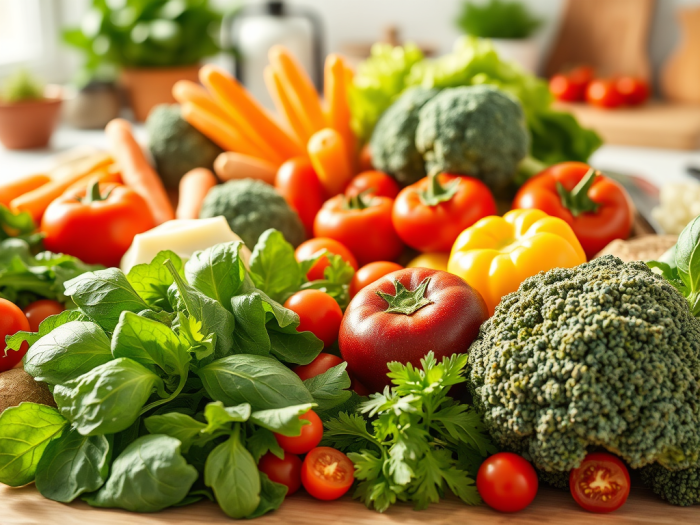
Ways to Introduce Vegetables into Your Diet and Their Nutritional Values
Vegetables are one of the most essential food groups in a healthy diet. They are packed with vitamins, minerals, antioxidants, and dietary fiber that support overall health. Despite their benefits, many people struggle to include enough vegetables in their daily meals. This report outlines practical ways to introduce more vegetables into your diet and provides a list of nutritional values for commonly consumed vegetables.

What can you do:
- Add to Breakfast
- Mix spinach, peppers, or tomatoes into scrambled eggs or omelets.
- Blend vegetables like kale, zucchini, or carrots into smoothies.
- Snack Options
- Replace chips with carrot sticks, celery, or cucumber slices with hummus.
- Make veggie-based dips like spinach or roasted red pepper dip.
- Incorporate into Main Meals
- Add mushrooms, onions, and bell peppers to pasta sauces or stir-fries.
- Use zucchini noodles or spaghetti squash as a pasta substitute.
- Soups and Stews
- Puree vegetables like carrots, sweet potatoes, or butternut squash into creamy soups.
- Add leafy greens such as kale or spinach at the end of cooking soups.
- Salads
- Experiment with different bases like kale, arugula, or mixed greens.
- Add toppings such as shredded beets, radishes, or roasted cauliflower.
- Disguise Vegetables
- Mix grated carrots or zucchini into muffins, breads, or pancakes.
- Blend vegetables into sauces for pasta or casseroles.
- Roasting and Grilling
- Roast broccoli, Brussels sprouts, and carrots with olive oil and herbs for a flavorful side dish.
- Grill zucchini, eggplant, or peppers for a smoky taste.
- Convenient Options
- Keep pre-cut vegetable packs in the fridge.
- Try frozen vegetables for quick stir-fries or soups without extra prep time.
Nutritional Value of Vegetables (per 100g serving)
🥬 Spinach
- Calories: 23 kcal
- Carbohydrates: 3.6 g
- Fiber: 2.2 g
- Vitamin A: 56% DV
- Vitamin C: 47% DV
- Other Nutrients: Iron, Folate, Magnesium
🥦 Broccoli
- Calories: 34 kcal
- Carbohydrates: 6.6 g
- Fiber: 2.6 g
- Vitamin A: 12% DV
- Vitamin C: 135% DV
- Other Nutrients: Vitamin K, Calcium
🥕 Carrots
- Calories: 41 kcal
- Carbohydrates: 10 g
- Fiber: 2.8 g
- Vitamin A: 334% DV
- Vitamin C: 9% DV
- Other Nutrients: Potassium, Beta-carotene
🍅 Tomatoes
- Calories: 18 kcal
- Carbohydrates: 3.9 g
- Fiber: 1.2 g
- Vitamin A: 17% DV
- Vitamin C: 21% DV
- Other Nutrients: Lycopene, Potassium
🥗 Kale
- Calories: 49 kcal
- Carbohydrates: 8.8 g
- Fiber: 3.6 g
- Vitamin A: 199% DV
- Vitamin C: 200% DV
- Other Nutrients: Vitamin K, Calcium
🫑 Bell Peppers
- Calories: 31 kcal
- Carbohydrates: 6 g
- Fiber: 2.1 g
- Vitamin A: 11% DV
- Vitamin C: 169% DV
- Other Nutrients: Folate, Vitamin B6
🍠 Sweet Potatoes
- Calories: 86 kcal
- Carbohydrates: 20 g
- Fiber: 3 g
- Vitamin A: 283% DV
- Vitamin C: 4% DV
- Other Nutrients: Potassium, Manganese
🥒 Cucumber
- Calories: 15 kcal
- Carbohydrates: 3.6 g
- Fiber: 0.5 g
- Vitamin A: 2% DV
- Vitamin C: 4% DV
- Other Nutrients: Hydration, Vitamin K
🥒 Zucchini
- Calories: 17 kcal
- Carbohydrates: 3.1 g
- Fiber: 1 g
- Vitamin A: 4% DV
- Vitamin C: 29% DV
- Other Nutrients: Manganese, Potassium
🌸 Cauliflower
- Calories: 25 kcal
- Carbohydrates: 5 g
- Fiber: 2 g
- Vitamin A: 0% DV
- Vitamin C: 77% DV
- Other Nutrients: Choline, Vitamin K
% DV = Percent Daily Value, based on a 2,000 calorie diet.
Incorporating vegetables into your diet can be simple with small changes to meals and snacks. Vegetables not only enhance flavor and texture but also deliver essential nutrients such as vitamins A, C, K, folate, potassium, and dietary fiber. Regular consumption contributes to improved digestion, better immunity, disease prevention, and weight management. By exploring different preparation methods and flavors, anyone can gradually increase their vegetable intake and enjoy long-term health benefits.
Sources:
- U.S. Department of Agriculture. (2020). FoodData Central.
- Harvard T.H. Chan School of Public Health. (2019). Vegetables and Fruits.
- World Health Organization. (2020). Healthy diet.
- National Institutes of Health. (2021). Vitamins and Minerals Fact Sheets.
- Centers for Disease Control and Prevention. (2020). Nutrition Basics.

Leave a Reply