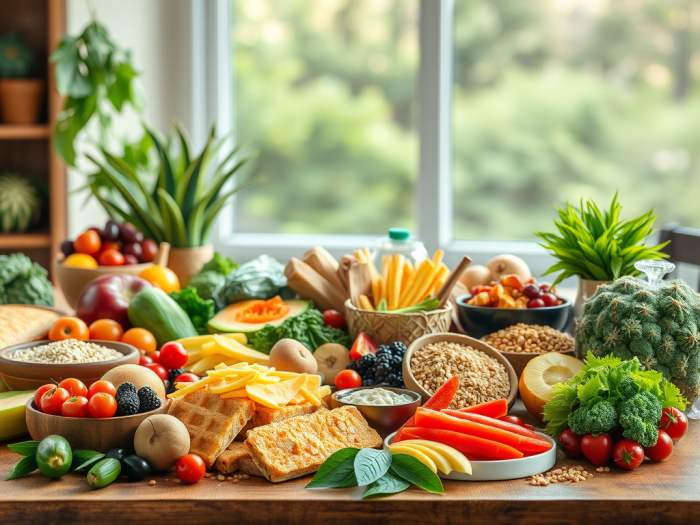
🌿 Introduction: What Does Balanced Eating Mean?
A balanced diet is more than just eating the “right” foods—it’s about building a healthy relationship with food that nourishes both the body and mind. Understanding your eating habits, balanced eating means consuming a variety of foods in the right proportions to provide energy, nutrients, and satisfaction without guilt or restriction.
A balanced eating lifestyle includes:
- Eating a variety of fruits, vegetables, whole grains, proteins, and healthy fats.
- Listening to your body’s hunger and fullness cues.
- Enjoying treats in moderation without shame.
- Understanding that food is fuel, not an enemy or reward.
As nutritionist Ellyn Satter reminds us:
“When the joy goes out of eating, nutrition suffers.”
Balance in eating is not about perfection—it’s about consistency, mindfulness, and self-respect.
🍎 Why Balanced Eating Matters
Food fuels every function of our body: our brain, muscles, heart, and immune system. Unbalanced eating—whether from overeating, skipping meals, or excessive dieting—can cause fatigue, stress, and long-term health problems.
A balanced approach to eating helps to:
- Maintain healthy energy levels and mood.
- Support physical and mental performance.
- Prevent diseases such as diabetes, heart issues, and obesity.
- Build a positive relationship with food.
- Teach self-discipline and body awareness.
Balanced eating is not just about health—it’s about harmony between nourishment and enjoyment.
👧 Story 1: Young Generation — “Sofia and the Snack Struggle”
Sofia, a 15-year-old high school student, often skipped breakfast and grabbed chips or soda between classes. She felt tired, moody, and had trouble concentrating.
One day, her coach asked her to try eating balanced meals—protein in the morning, vegetables at lunch, and whole grains in the afternoon. Within two weeks, Sofia noticed she had more energy for sports, better focus in school, and fewer cravings for junk food.
She learned that healthy eating wasn’t about dieting—it was about fueling her growing body with care.
Lesson:
Balanced eating helps young people perform their best mentally and physically. It’s about fueling success, not restricting pleasure.
👨🦳 Story 2: Older Generation — “Mr. Lopez’s Lifestyle Change”
Mr. Lopez, a 60-year-old grandfather, loved fast food and sugary drinks. For years, he ignored his doctor’s warnings about cholesterol and blood sugar. After a mild heart scare, he decided to make a change—not through fad diets, but through balance.
He began cooking more at home, replacing fried foods with grilled options and sugary drinks with water or herbal tea. He learned portion control and treated himself occasionally instead of daily. Over time, his health improved, and he became a role model for his grandchildren.
Lesson:
Balanced eating isn’t about deprivation—it’s about sustainable habits that support a long, vibrant life.
🥦 What Balanced Eating Looks Like
A balanced eating pattern focuses on variety, moderation, and mindfulness.
1. Variety: Eat foods from all major food groups—fruits, vegetables, proteins, whole grains, and healthy fats.
2. Moderation: Enjoy your favorite foods in sensible portions without guilt.
3. Mindfulness: Pay attention to what your body needs, how you feel, and why you eat.
A simple visual reminder is the “Healthy Plate Method”:
- ½ vegetables and fruits
- ¼ lean proteins
- ¼ whole grains
- a small portion of healthy fats and plenty of water
🕊️ How to Practice Balanced Eating
- Don’t skip meals—especially breakfast.
- Plan ahead—keep healthy snacks available.
- Stay hydrated—water supports metabolism and focus.
- Listen to your body—eat when hungry, stop when satisfied.
- Limit processed foods—choose natural, colorful, fresh foods.
- Enjoy eating socially—food connects families and cultures.
- Be kind to yourself—one indulgent meal won’t undo progress.
💬 Reflection Questions
For Young People:
- What does “healthy eating” mean to you?
- How do you feel after eating different kinds of meals?
- What small change could help you eat more balanced this week?
For Adults:
- Are your current eating habits helping or hurting your energy and health?
- How do your eating patterns affect your mood or stress levels?
- What balanced habits could you model for younger family members?
For Everyone:
- Do you eat for nourishment, emotion, or convenience?
- How can you make mealtimes more mindful and enjoyable?
- What does “balance” in eating look like for your lifestyle?
🌸 Inspiring Quotes
“Let food be thy medicine and medicine be thy food.” — Hippocrates
“Take care of your body. It’s the only place you have to live.” — Jim Rohn
“To eat is a necessity, but to eat intelligently is an art.” — François de La Rochefoucauld
“Healthy eating is a form of self-respect.” — Unknown
“The greatest wealth is health.” — Virgil
🌻 Conclusion
Balanced eating is an act of self-love. It’s not about diets, guilt, or restriction—it’s about nourishment and awareness. For young people, it builds habits for lifelong health; for older adults, it restores vitality and prevents disease.
When we find balance in what and how we eat, we create a deeper harmony between body, mind, and spirit. Food becomes more than fuel—it becomes a daily expression of gratitude and care.
Key Takeaways
- Balanced eating involves a variety of foods in the right proportions, fostering a healthy relationship with food.
- It helps maintain energy levels, supports mental performance, and prevents diseases.
- Stories of Sofia and Mr. Lopez illustrate how balanced eating improves wellbeing across generations.
- To practice balanced eating, don’t skip meals, stay hydrated, and listen to your body’s hunger cues.
- Balanced eating promotes nourishment, awareness, and self-love, creating harmony between body, mind, and spirit.
📚 Sources
- Harvard T.H. Chan School of Public Health. (2023). Healthy Eating Plate & Pyramid.
- American Heart Association. (2022). Nutrition Basics for a Healthy Lifestyle.
- World Health Organization. (2023). Healthy Diet Guidelines.
- Satter, E. (2008). Secrets of Feeding a Healthy Family. Kelcy Press.
- Academy of Nutrition and Dietetics. (2022). Balanced Eating and Well-Being Report.
- Rohn, J. (1993). The Power of Discipline.
- Virgil. (19 BCE). Georgics.
Leave a Reply