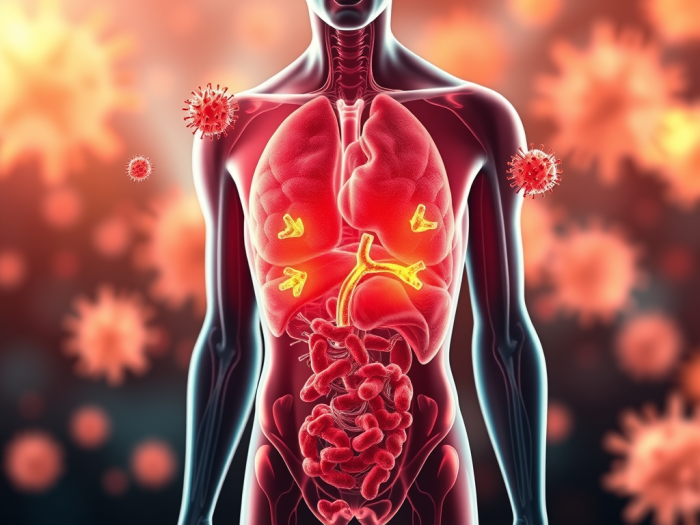
1. What is Inflammation?
Inflammation is the body’s natural defense mechanism against harmful stimuli such as infections, injuries, or toxins. It is part of the immune system’s response designed to heal damaged tissue and protect against pathogens. In simple terms, inflammation is how the body signals the immune system to repair and defend itself.
There are two main types:
- Acute inflammation – Short-term, protective, and often beneficial. Example: swelling and redness after a cut.
- Chronic inflammation – Long-term, low-grade inflammation that may persist for months or years, often contributing to conditions like arthritis, diabetes, obesity, and heart disease.
2. How is Inflammation Caused and Why?
Inflammation is triggered when the immune system detects harmful stimuli. The body releases white blood cells, cytokines, and other chemicals to fight off infection or repair tissue.
Causes include:
- Infections: Bacteria, viruses, or fungi.
- Injuries: Cuts, burns, fractures, or trauma.
- Chronic diseases: Autoimmune disorders (e.g., rheumatoid arthritis), cardiovascular disease, or type 2 diabetes.
- Lifestyle factors: Poor diet (high sugar and processed foods), smoking, excessive alcohol use, obesity, stress, and lack of sleep.
- Environmental triggers: Pollution, toxins, or allergens.
3. Symptoms of Inflammation
Symptoms vary depending on whether it is acute or chronic.
Acute inflammation symptoms:
- Redness
- Swelling
- Heat in the affected area
- Pain or tenderness
- Loss of function (difficulty moving the affected area)
Chronic inflammation symptoms (often subtle):
- Fatigue
- Body aches
- Digestive issues
- Brain fog or memory problems
- Weight gain or loss without clear reason
4. What Happens to Your Body When It’s Inflamed?
When inflamed, the body increases blood flow and immune activity to the affected area. Blood vessels dilate, making tissues appear red and warm, and fluid may accumulate, causing swelling.
If inflammation becomes chronic, it can damage healthy cells and tissues, leading to:
- Arthritis (joint damage)
- Atherosclerosis (plaque buildup in arteries)
- Insulin resistance (leading to diabetes)
- Obesity-related complications
- Increased cancer risk due to prolonged cell stress
5. How to Prevent Inflammation
Prevention involves adopting a healthy lifestyle that reduces triggers:
- Balanced diet: Emphasize fruits, vegetables, whole grains, lean proteins, nuts, and omega-3-rich fish. Limit refined sugar, fried foods, and processed products.
- Regular exercise: Improves circulation and reduces inflammation markers.
- Adequate sleep: 7–9 hours to support immune function.
- Stress management: Meditation, yoga, or mindfulness.
- Hydration: Adequate water intake supports detoxification.
- Avoid toxins: Minimize smoking, alcohol, and environmental pollutants when possible.
6. Home Remedies to Reduce Inflammation
Natural approaches can support the body in managing inflammation:
Anti-inflammatory Foods & Drinks
- Soups:
- Chicken soup with garlic, ginger, turmeric, and vegetables – warms the body and provides anti-inflammatory nutrients.
- Vegetable lentil soup with leafy greens, carrots, and celery – fiber and antioxidants support gut health.
- Teas:
- Turmeric tea – curcumin reduces inflammatory markers.
- Ginger tea – aids digestion and lowers inflammation.
- Green tea – rich in antioxidants, especially catechins.
- Chamomile tea – calming and supports immune balance.
- Natural Laxatives:
- Warm prune tea or prune juice – relieves constipation, reducing gut inflammation.
- Aloe vera juice – soothes the digestive tract.
- Flaxseed water – promotes bowel movement and lowers inflammation.
Other Remedies
- Warm compresses – reduce localized swelling.
- Epsom salt baths – soothe sore muscles and reduce inflammation.
- Spices in cooking – turmeric, cinnamon, cloves, and black pepper.
7. Conclusion
Inflammation is both a healing response and a potential health risk when chronic. While acute inflammation protects the body, chronic inflammation can lead to serious health issues. Prevention through lifestyle—balanced nutrition, exercise, rest, and stress control—is key. Natural remedies like anti-inflammatory soups, teas, and herbal laxatives provide additional support to reduce symptoms and maintain overall wellness.
Sources
- Calder, P. C. (2022). Nutrition, immunity, and inflammation: An update. Nutrients, 14(7), 1546.
- Furman, D., Campisi, J., Verdin, E., et al. (2019). Chronic inflammation in the etiology of disease across the life span. Nature Medicine, 25(12), 1822–1832.
- Medzhitov, R. (2008). Origin and physiological roles of inflammation. Nature, 454(7203), 428–435.
- Schett, G., Neurath, M. F. (2018). Resolution of chronic inflammatory disease: universal and tissue-specific concepts. Nature Communications, 9(1), 3261.
Leave a Reply