🌐 Introduction
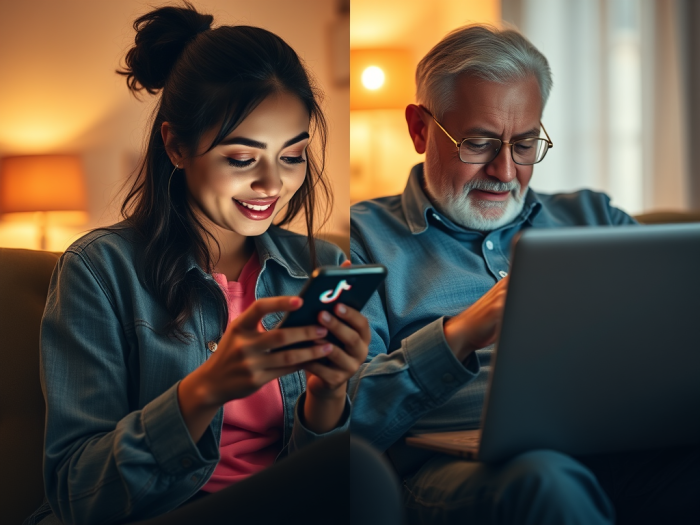
Social media has transformed how we communicate, learn, and see ourselves. From TikTok and Instagram to Facebook and LinkedIn, these platforms connect billions of people daily. However, the same tools that help us share ideas can also shape our beliefs, behaviors, and emotions—often without us realizing it. Managing social media influence is essential for both young and older generations to maintain mental balance, authenticity, and healthy self-perception.
1. Understanding Social Media Influence
Social media influence refers to the ability of online content, creators, and trends to shape our thoughts, decisions, and behaviors. It can be subtle—like trying a viral recipe—or serious, such as comparing your life to unrealistic online portrayals.
🔹 Example:
- Teens and Young Adults: A 16-year-old named Lina follows several fitness influencers on TikTok. She begins skipping meals after comparing her body to theirs, thinking it’s “motivation.” Over time, she develops body dissatisfaction and low self-esteem.
- Older Adults: James, a 55-year-old, frequently reads political posts on Facebook. He notices that his opinions are becoming more extreme, influenced by repetitive messages within his feed’s algorithm.
Both scenarios show how social media content subtly shapes perceptions and choices.
2. The Psychological Effects of Social Media
💭 For Young People:
- Comparison and Validation: The “like” culture can lead to chasing approval instead of authenticity.
- Fear of Missing Out (FOMO): Seeing peers travel or achieve milestones can cause anxiety or inadequacy.
- Identity Shaping: Teenagers often experiment with identity, and social media amplifies this, sometimes leading to confusion or imitation rather than self-discovery.
💬 For Older Adults:
- Information Overload: Continuous exposure to opinions and misinformation can cause stress or bias.
- Isolation or Connection: While some find community online, others may replace real-life socialization with digital interactions.
- Consumer Pressure: Older adults are increasingly targeted by online ads promising “quick fixes” for health or finances.
3. Stories of Influence and Awareness
📱 Story 1: The Perfect Feed
Maria, a college student, curated a flawless Instagram profile—always smiling, always traveling. In reality, she was struggling with anxiety. When a friend privately asked why she never seemed sad online, Maria realized she was performing, not expressing. She started sharing honest posts about student life stress. Her engagement dropped—but meaningful conversations grew.
Lesson: Authenticity builds connection, not perfection.
👨💻 Story 2: The Misleading Post
Robert, age 62, shared a Facebook post warning about a “new government tax,” unaware it was misinformation. His daughter later explained that the post came from an unreliable page. He began fact-checking sources and now helps his peers identify misleading content.
Lesson: Verify before sharing—digital responsibility matters at every age.
👧 Story 3: The TikTok Trend Trap
When Maya, 14, saw a beauty trend encouraging extreme skincare routines, she tried it—causing skin irritation. Her mom used the moment to discuss digital literacy: understanding that not every influencer is qualified to give advice. Together, they followed dermatologists who explained safe skincare practices.
Lesson: Curate your feed with trusted voices.
4. Strategies for Managing Social Media Influence
🧠 1. Build Digital Awareness
Recognize emotional triggers when scrolling. Ask: “How does this content make me feel?” If it causes anxiety, jealousy, or pressure—pause or unfollow.
🔍 2. Fact-Check Before Sharing
Use reliable fact-checking sites (like Snopes or PolitiFact) to confirm accuracy, especially before sharing health or political content.
🕓 3. Set Screen Boundaries
Designate “no-scroll” times—especially before bed or during meals. The average adult spends over 2.5 hours daily on social media; mindful breaks improve focus and sleep quality (Statista, 2024).
💬 4. Follow Positive Role Models
Choose creators who inspire healthy habits, education, or authentic growth. Avoid accounts that rely on shock, drama, or unrealistic perfection.
🤝 5. Engage, Don’t Compare
Social media can foster community if used intentionally—comment thoughtfully, support others, and celebrate authenticity.
🌿 6. Educate Both Generations
Parents, teachers, and older adults can share experiences about responsible online behavior, while young people can teach tech skills and trends. This mutual exchange promotes understanding and balance.
5. Discussion Questions
- How does social media affect your emotions or self-esteem?
- What’s one influencer or page that motivates you positively—and why?
- How can we help older adults or teens navigate misinformation online?
- What’s one boundary you could set to use social media more mindfully?
- How can authenticity online improve relationships in real life?
6. Advice: Creating a Healthy Digital Life
- Be Intentional: Use social media as a tool, not an escape.
- Protect Mental Health: Follow pages that educate, uplift, or make you laugh—not those that make you feel inadequate.
- Balance Online and Offline Life: Spend equal or more time on hobbies, conversations, and physical activities outside the screen.
- Stay Curious, Not Judgmental: Learn from different opinions without letting algorithms trap you in one perspective.
- Teach Empathy: Remember that behind every screen is a real person.
7. Sources
- American Psychological Association. (2023). Social media and mental health: The impact of online behaviors across generations. APA Press.
- Pew Research Center. (2024). Social Media Use by Age Group: Trends and Emotional Impact.
- Statista. (2024). Average daily time spent on social media worldwide 2012–2024.
- Twenge, J. M. (2023). iGen: Why Today’s Super-Connected Kids Are Growing Up Less Rebellious, More Tolerant, Less Happy. Simon & Schuster.
- Fuchs, C. (2022). Social Media: A Critical Introduction. Sage Publications.
✨ Final Thought
Social media is neither good nor bad—it’s a mirror reflecting our values, fears, and desires. By managing its influence mindfully, both young and older people can use it as a tool for growth, connection, and positive change instead of comparison or conflict.
Leave a Reply