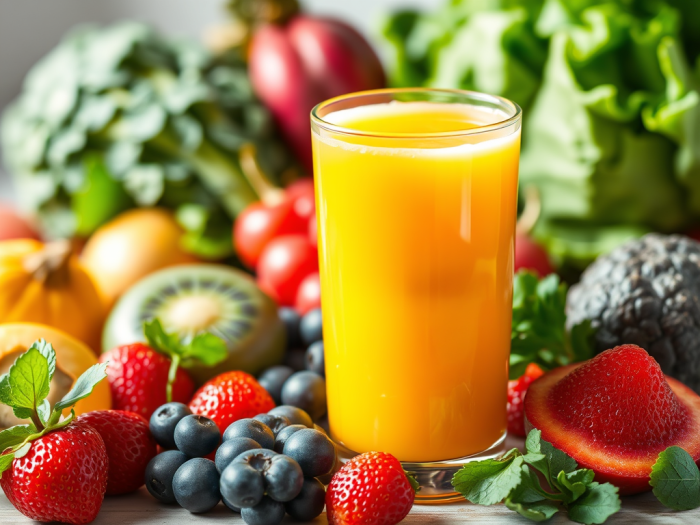
Juicing has become a health ritual for many: a quick, vibrant drink full of vitamins, phytonutrients, and a perceived energy boost. It feels wholesome, clean, and easy. But beneath that appeal lie some important trade-offs.
When you juice a fruit or vegetable, you typically extract the liquid while discarding most of the pulp and fiber. What remains is a concentrated dose of sugars, water, and soluble nutrients (like vitamin C or certain phytonutrients). The fibrous structures, cell walls, and many insoluble components get left behind.
Because the liquid is easier to absorb (no chewing, little fibrous resistance), the sugars it contains reach your bloodstream more rapidly. That can lead to sharper spikes in blood glucose and insulin compared to eating the same produce whole.
So yes — juice can deliver nutrients fast. But speed isn’t always the best: the missing fiber and structural “matrix” of the plant matter has many downstream benefits.
1. Fiber: The Unsung Hero
a) Slowing sugar absorption
Fiber (especially soluble and insoluble) slows gastric emptying and moderates how fast sugars enter the bloodstream. Without it, you may get a sharper glycemic response.
In experiments comparing whole fruits vs blended or juiced ones, the whole versions tend to produce gentler postprandial glucose and insulin curves.
b) Promoting satiety
Fiber contributes to fullness (via bulk, viscosity, and mechanical stimulation). If you’re drinking your nutrients instead of chewing them, your brain and gut may not “register” fullness as well, which can lead to overeating later.
c) Gut health and microbiome
Fiber serves as a substrate (prebiotic) for beneficial gut microbes, which ferment certain fibers into short-chain fatty acids (SCFAs) like butyrate, acetate, and propionate. These compounds help nourish colon cells, reduce inflammation, and support metabolic health. The synergy between fiber and phytonutrients in whole plants is part of what makes them so valuable.
By juicing, you remove much of the fiber, depriving the gut of that fuel.
2. Loss and Transformation of Phytochemicals & Nutrients
Juicing may retain many vitamins, minerals, and phytochemicals (especially if done properly), but the process can degrade or remove some compounds.
- Some antioxidants and polyphenols are bound to cell walls or fiber; removing the fiber can diminish their delivery or alter their bioavailability.
- Processing (oxidation, enzyme activity) can break down delicate compounds.
- In some cases, compounds in the peel or pulp don’t make it into the juice.
In newer reviews, whole fruit is consistently associated with more beneficial health outcomes (versus juice) likely because of these “synergistic” effects of fiber + phytochemicals.
3. Health Outcomes & Chronic Disease Risk
a) Type 2 diabetes risk
Some observational studies have found that drinking fruit juice daily is associated with an increased risk of developing type 2 diabetes, while eating whole fruits (especially berries, apples, grapes) is associated with reduced risk.
For instance, a BMJ meta-analysis observed that drinking just one serving of fruit juice per day was associated with up to a ~21% higher risk of diabetes; replacing juice servings with whole fruit was linked with reduced risk.
b) Weight management
Because juice is calorie-dense (less volume of bulk, less satiety), drinking large amounts can lead to inadvertent overconsumption of sugars and calories. Over time, that could contribute to weight gain.
c) Oral health
Juices, especially fruit juices with acids and sugars, bathe teeth in sugar and acid more persistently than eating the fruit (which stimulates saliva, chewing, etc.), raising risk of enamel erosion and cavities.
d) Nutrient adequacy
Whole-fruit consumption is more consistently linked with beneficial health outcomes (e.g. lower cardiovascular risk, lower mortality) than juice consumption in epidemiological work.
A modeling study replacing juice with whole fruit in typical diets found a modest increase in fiber intake, with minimal disruption in other nutrient intakes.
That suggests you aren’t “losing” huge amounts of vitamins by eating whole fruit, though you are gaining fiber and beneficial structural compounds.
4. Practical & Behavioral Advantages
- Chewing and digestion: Chewing triggers digestive enzymes, satiety signals, and gut reflexes. Drinking juice bypasses much of that “preprocessing.”
- Portion control awareness: When you snack on an apple or carrot, you’re more conscious of quantity. It’s easier to gulp down “three apples’ worth” as juice without realizing it.
- Less waste: Whole produce is more forgiving — you can snack on the peel, pulp, or bits you don’t want juiced. With juicing, a lot gets discarded (unless you repurpose the pulp).
- Simpler, more stable: Whole fruit is more shelf-stable; juices spoil faster or require refrigeration, sanitation, and handling care.
- Flexibility in meals: You can more easily combine fruits/vegetables into salads, stews, roasted dishes, etc., getting “whole-plant meals” instead of always drinking your served portion.
✅ When Juicing Can Still Be Useful (in moderation)
I’m not saying juice is bad — it just has limitations and is best used thoughtfully. Here are situations where juicing makes sense:
- To supplement your intake if you’re struggling to eat enough produce (but don’t replace all your servings).
- If you have digestive issues that require low-fiber diets (but under medical supervision).
- To concentrate nutrients in small volume when you’re limited (e.g. during illness or reduced appetite).
- When you carefully blend (rather than juice) to retain fiber (i.e. smoothies), or when you reintroduce fiber back into juice.
Even with moderate juice use, it’s often best to:
- Drink it alongside whole foods (not as a meal replacement)
- Dilute it with water
- Consume it with a meal (to mitigate blood sugar spikes)
- Use vegetable-forward (lower-sugar) combinations
- Minimize time between juicing and drinking (to reduce nutrient degradation and bacterial growth)
🧾 Sample Outline: “Eat vs Juice” – Key Differences
| Feature | Whole Fruit / Vegetable | Juiced (Filtered) Version |
|---|---|---|
| Fiber content | Intact (soluble + insoluble) | Mostly removed (left in pulp) |
| Glycemic response | Slower, moderated | Faster spike in sugars |
| Satiety / fullness | Higher, due to bulk, chewing | Lower |
| Impact on gut microbiome | Supports SCFA production | Minimal (less fiber substrate) |
| Nutrient retention | Good, intact matrix | Some losses / transformations possible |
| Ease of overconsumption | More difficult to overeat | Easier to gulp many calories/sugar |
| Dental / enamel risk | Lower (chewing, saliva) | Higher (exposure to sugars, acidity) |
💡 Tips for Getting More Whole Fruits & Veggies (Beyond Juicing)
- Snack-ready produce: Keep washed fruit, carrot sticks, bell pepper slices, cherry tomatoes in ready-to-grab containers.
- Add produce to meals: Stir vegetables into soups, stews, stir-fries. Sprinkle fruit onto cereal or yogurt.
- Blend, don’t juice: Smoothies preserve fiber. Use whole fruits + vegetables, and add protein or healthy fat to slow absorption.
- Rotate produce: Try new fruits and veggies to keep your palate and nutrient profile broad.
- Use pulp: If you do juice, repurpose leftover pulp in muffins, soups, or crackers.
- Mind portions: Even whole fruit contains sugar — balance it within your daily needs.
- Chew thoroughly: Slower eating, proper chewing gives your gut and brain signals to regulate appetite.
✳️ Summary
While juicing can offer convenience and rapid nutrient delivery, eating whole fruits and vegetables offers a richer, more balanced package:
- You retain fiber, which is crucial for blood sugar control, satiety, and gut health.
- The structural and synergistic aspects of whole plants deliver more consistent health benefits.
- Observational and clinical evidence more strongly supports whole fruit intake (versus juice) in preventing chronic diseases.
- From a behavioral and practical standpoint, whole produce often leads to better portion control, less wasted food, and more diverse meal options.
In short: don’t completely ditch your blender or juicer — but let whole fruits and vegetables be the foundation of your plant-based intake.
Key Takeaways
- Juicing extracts liquid from fruits and vegetables, removing fiber and leading to rapid sugar absorption.
- Fiber is essential for slowing sugar absorption, promoting fullness, and supporting gut health.
- Whole fruits and vegetables offer more consistent health benefits and lower chronic disease risk compared to juice.
- Juicing can be appropriate in moderation, but should not replace whole food intake in a diet.
- Chewing whole foods helps with digestion and satiety, while juices can lead to overconsumption of sugars.
🧾 Further Reading & References
- “Whole Fruits and Fruit Fiber Emerging Health Effects” — PMC (National Institutes of Health)
- “Postprandial Glycemic Response to Whole Fruit versus Blended” — PMC
- “Whole Fruits Versus 100% Fruit Juice: Revisiting the Evidence” — PubMed / Nutrition Bulletin
- “Juicing: What are the health benefits?” — Mayo Clinic
- Harvard Health — “Eating fruit is better for you than drinking fruit juice”
- “Fruit juices and smoothies | Diabetes UK”
- “Differences Between Natural Whole Fruit and Natural Fruit Juice” — News Medical
- “Juice vs. Whole Fruit: Which is Healthier?” — Sipsmarter.org overview of evidence
- “Fruit Juices: Are They Helpful or Harmful? An Evidence Review” — PMC
- UCI news on updating dietary guidelines to better reflect whole-fruit benefits
Leave a Reply