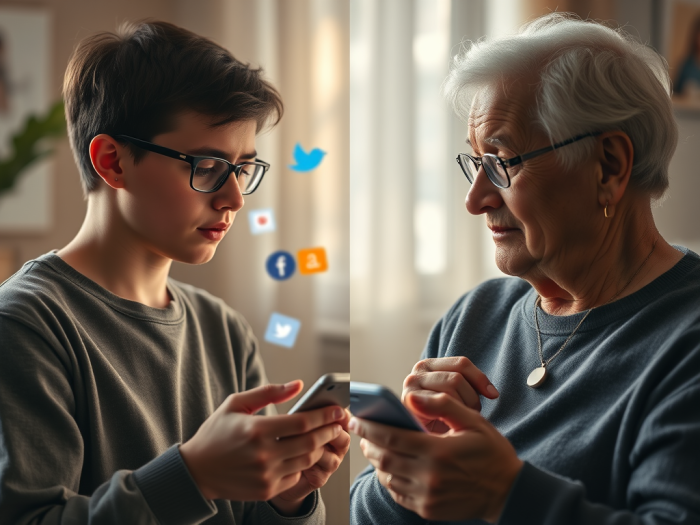
🌿 Introduction: What Is Personal Information?
Personal information refers to any data that identifies who you are or reveals details about your private life. In the digital age, maintaining a balance between sharing personal information and protecting your privacy is crucial. This can include your name, address, phone number, email, passwords, photos, location, or even opinions and experiences that reveal your identity.
In today’s digital world—where social media, online shopping, and communication apps are part of daily life—it’s easy to overshare. Finding balance means understanding when, where, and how much to share to stay safe while still being open and authentic.
A balanced approach to sharing personal information means:
- Protecting your privacy while maintaining healthy social connections.
- Thinking before posting or disclosing personal details.
- Building trust gradually instead of revealing too much too soon.
- Recognizing the difference between public sharing and private conversation.
As computer scientist Alan Westin once said:
“Privacy is the claim of individuals to determine when, how, and to what extent information about them is communicated to others.”
Balance in sharing personal information is about self-protection without isolation—being open, but wise.
🔍 Why Balance Matters
Oversharing can lead to emotional, social, or even physical risks—such as identity theft, online scams, misunderstandings, or broken trust. On the other hand, being too private can make it difficult to build connections or seek help when needed.
Finding balance allows you to:
- Stay safe online and offline.
- Build genuine relationships based on trust, not exposure.
- Protect emotional boundaries.
- Make thoughtful choices about what you share and with whom.
Balanced communication strengthens confidence and fosters respectful, meaningful interactions.
👩🎓 Story 1: Young Generation — “Maya and the Oversharing Post”
Maya, a 15-year-old student, loved social media. She often shared photos, feelings, and daily updates without thinking much about privacy. One day, she posted about being home alone for the weekend. The post quickly spread among classmates—and even people she didn’t know. Someone used the information to prank her, pretending to be a delivery person. Maya got scared and realized how much she had shared publicly.
With her parents’ help, she set her accounts to private, deleted old posts, and learned about digital safety. Now, she shares moments thoughtfully—celebrating her life online while protecting her safety.
Lesson:
Balance in sharing helps young people stay safe while still expressing themselves creatively.
👨🦳 Story 2: Older Generation — “Mr. Daniels and the Phone Scam”
Mr. Daniels, a 70-year-old retiree, received a friendly call claiming to be from his bank. The caller already knew his name and city, which made him feel comfortable. Believing it was safe, he shared his account details—only to discover days later that his savings had been stolen.
After reporting the incident, Mr. Daniels attended a local workshop on digital awareness. He learned that criminals can easily find personal details from social media or public records. Now, he verifies every call and avoids sharing private information with strangers.
Lesson:
For older adults, balance means staying cautious and informed to protect financial and personal security.
🌱 What Balanced Sharing Looks Like
Balanced sharing involves both awareness and boundaries. It allows you to connect meaningfully with others without risking your safety or privacy.
A balanced person:
- Shares feelings, experiences, and opinions thoughtfully.
- Avoids posting sensitive information (location, passwords, financial data).
- Builds trust before disclosing private matters.
- Respects others’ privacy when sharing group photos or stories.
- Uses privacy settings wisely on social media.
- Thinks before posting: “Would I be comfortable if this were public?”
Balance is about protecting your story while still participating in the world around you.
🕊️ Tips for Maintaining Balance in Sharing Personal Information
- Pause before posting. Ask: “Is this necessary? Is it safe?”
- Use privacy controls. Keep personal details visible only to trusted people.
- Share selectively. Save private conversations for trusted relationships.
- Guard sensitive data. Never share passwords, ID numbers, or home addresses publicly.
- Be cautious with photos. Avoid revealing your exact location in real-time.
- Teach digital boundaries. Talk with children or elders about online privacy.
- Respect others’ stories. Never share someone’s private details without consent.
💭 Reflection Questions
For Young People
- What kinds of things do you usually share online?
- Have you ever shared something you later regretted?
- How can you express yourself online while staying safe?
For Adults and Older Generations
- Do you think you share too much—or too little—about your personal life?
- How can you protect your information from scams or misuse?
- What advice would you give younger people about online privacy?
For Everyone
- What does a “balanced” digital life look like to you?
- Who do you trust with your personal information—and why?
- How can you protect your privacy while staying socially connected?
💬 Inspiring Quotes
“Once you share something online, you no longer control who sees it.” — Unknown
“Privacy is power. What people don’t know, they can’t misuse.” — Unknown
“Be open enough to connect, but wise enough to protect.” — Anonymous
“Boundaries are not walls—they are the gates that protect what matters most.” — Unknown
“The internet never forgets, so think before you share.” — Common Digital Safety Proverb
🌻 Conclusion
Finding balance in sharing personal information is essential for safety, dignity, and trust. It’s about being open without being vulnerable to harm.
For young people, balance means learning self-awareness in a digital world. For older adults, it means staying informed and cautious as technology evolves.
When we share responsibly, we protect not only our privacy but our peace of mind. True connection doesn’t require full exposure—it requires respect, understanding, and wisdom.
📚 Sources
- Federal Trade Commission. (2023). Protecting Personal Information and Privacy Online.
- Pew Research Center. (2022). Teens, Social Media, and Online Privacy.
- National Cybersecurity Alliance. (2023). Data Privacy and Digital Safety Guidelines.
- American Psychological Association. (2022). The Impact of Oversharing on Mental and Emotional Health.
- NortonLifeLock. (2023). Digital Wellness and Online Boundaries Report.
- Westin, A. (1967). Privacy and Freedom. Atheneum Press.
Leave a Reply